


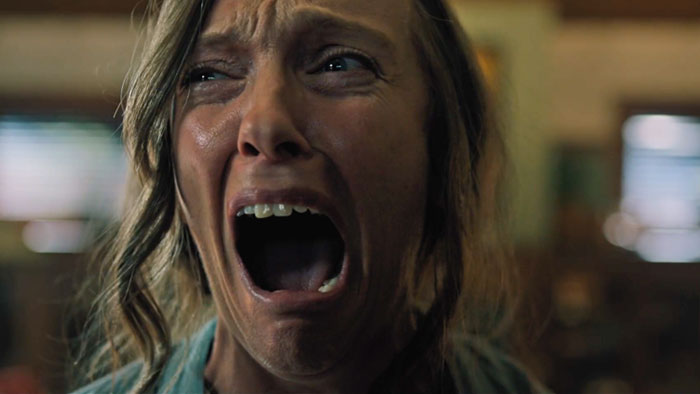
A24 films have a particular hangover quality. You watch one, you think you’ve processed it, and then three days later something surfaces — an image, a gesture, a line reading — and you realize you haven’t processed anything at all.
The filmmakers at A24 are unusually interested in the kind of meaning that resists being summarized, the kind that lives in ritual and symbol rather than dialogue and plot. Ari Aster, Robert Eggers, and the Daniels – they all work this way, and the results tend to stick in a way that most studio horror and drama simply do not.
The audience that gravitates toward these films tends to be the same audience that thinks seriously about tarot readings, mythology, and the kind of intuitive knowledge that doesn’t have a clean academic category. The Nebula website gathers around its spiritual guidance space a similar crowd, people who take symbolic systems seriously and find meaning in frameworks that mainstream culture hasn’t fully figured out how to dismiss or absorb.
What Hereditary Is Actually Doing
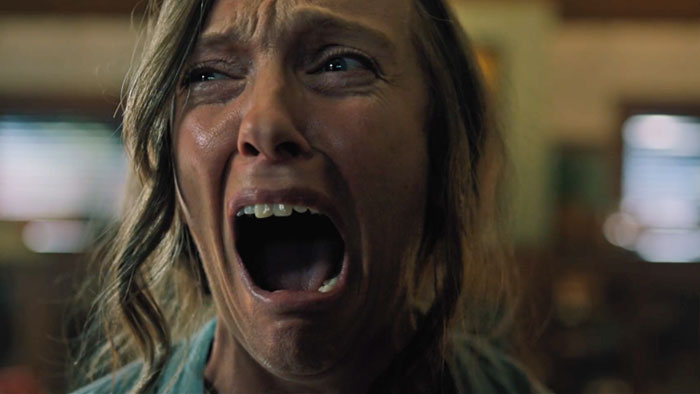
Most people who watched Hereditary came out, talking about the ending. Fair enough: it earns that reaction. The film’s real architecture is in everything before the ending, hiding in a way that only becomes visible on a second watch. Paimon is not a third-act invention but a figure from historical demonological texts, The Lesser Key of Solomon and its Ars Goetia section, and the film seeds his presence throughout the story from the opening scenes onwards.
It’s a procedure that starts in the first scene and follows genuine occult logic drawn from actual demonological texts. The miniatures Annie builds throughout the film aren’t characterization – they’re consecrated spaces. The headless imagery is liturgical.
Aster’s smartest move was making the grief film real enough that you don’t look past it. The family’s dissolution is genuinely affecting, and it pulls focus away from the ritual scaffolding being erected around them.
Midsommar’s Emotional Logic

Midsommar is the one A24 film that puts everything out in the open and still gets misread constantly. The pagan imagery isn’t decorative. The maypole, the rune carvings, the May Queen ceremony, and the specific choreography of each ritual killing – these follow the internal logic of a belief system that takes cyclical renewal seriously, where death is agricultural rather than punitive, and grief is something the community absorbs collectively rather than leaving the individual to manage alone.
Dani arrives, carrying grief that nobody around her has properly witnessed. Her boyfriend is useless at it; her friends are worse; and the opening tragedy happened too fast and too brutally for anyone to respond with any grace. The Hårga community witnesses it – spectacularly, ritually, in a way that would horrify any outside observer.
Eggers and the Weight of Myth
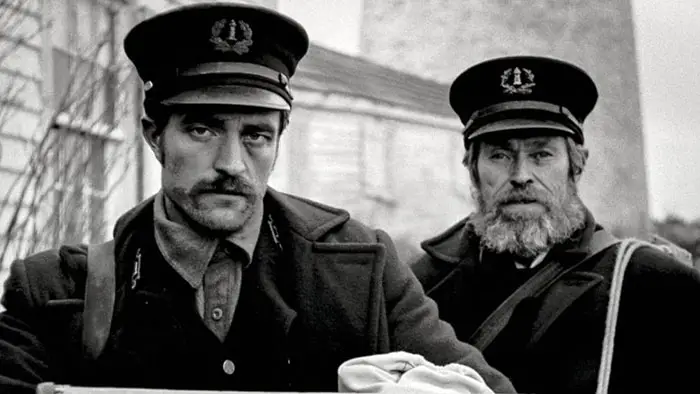
Robert Eggers works at a different temperature. The Witch and The Lighthouse both explore what happens when old mythological structures collide with human psychology that isn’t equipped to handle them.
In The Witch, the Puritan framework the family inhabits is itself the trap: their theology has made the devil so real and so present that he barely needs to do any work. Black Phillip is not very relevant. The family has already done the damage.
The Lighthouse goes further into classical territory, with Prometheus running underneath the whole film like a frequency only some viewers will consciously register.
Thomas Wake hoarding the light, Winslow’s obsession with accessing it, and the punishment that follows – Eggers holds classical poses at key moments, shoots them in a way that references mythological illustrations, and lets the weight of the ancient story press down on two men in an increasingly realistic psychological collapse. Myth and psychology become indistinguishable. That’s the film’s real subject.
Everything Everywhere’s Philosophical Argument
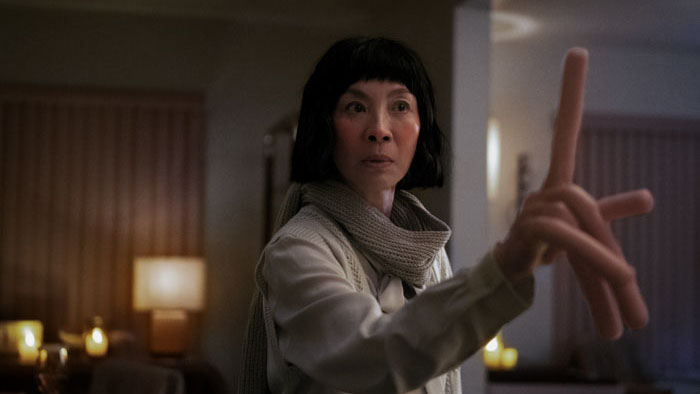
The Daniels are less interested in darkness. Everything Everywhere All at Once engages with Buddhist impermanence and the problem of nihilism in a way that’s easy to miss because it’s delivered through googly eyes and hot dog fingers. But the argument is serious.
Jobu Tupaki has seen every possible version of existence and found them all equally meaningless. The everything bagel is a void she’s trying to fall into. What stops her isn’t proof that meaning exists cosmically; the film doesn’t offer that. Instead, it shows the specific weight of one relationship, with one person choosing to stay present rather than dissolve.
That’s a considered philosophical position. The multiverse logic exists to strip away every excuse for disengagement, every “things might be different elsewhere”, and force the question: given all of these options, what do you do with a Tuesday afternoon and the people in front of you? The film’s answer is warmer than its premise suggests it has any right to be.
The Frequency These Films Share
Myths operate on people whether they believe in them or not. The unseen exerts pressure. That’s an unusual position for contemporary cinema to hold, and it’s a large part of why these films keep generating conversation long after the credits roll. What links them isn’t a shared theology but a shared conviction: that images and rituals carry meaning that language alone cannot contain, and that cinema, when it takes that seriously, becomes a different kind of experience entirely.


